
How to Choose a Theme Park Design Partner:
6 Checks for Regional and Independent Parks
Six practical checks to help park owners protect their investment, compare design partners and turn a creative vision into an attraction that works.
What should you look for in a theme park design partner?
Choosing a theme park design partner means checking more than the quality of a portfolio. For a regional or independent park, the right partner should understand your guests, work within your investment priorities and explain how the design will move into fabrication and installation.
Compare six things: relevant experience, operational understanding, budget decisions, design deliverables, delivery responsibilities and support through installation. Ask each shortlisted team to demonstrate its approach through a comparable project.
Six checks before appointing your design partner
01
Verify Attraction Design Experience
Choose a theme park design partner with relevant experience and a clearly defined role in completed projects. Architecture and attraction design are complementary: building expertise alone does not demonstrate skills in storytelling, scenic design or ride integration. Check who will lead the guest experience and collaborate with your architect.
Ask: “What did your team deliver on a comparable attraction?”
02
Balance Creativity with Operation
A strong concept must work within your park’s budget and daily operation. Your design partner should consider guest flow, staffing, maintenance and construction constraints from the start. Look for a team that can explain which creative elements matter most and where a compromise makes sense.
Ask: “What would you adapt if our budget or operational requirements changed?”
03
Compare Build, Buy and Reuse
Your investment should serve the experience. Ask how your partner compares bespoke fabrication, directly sourced products and retained elements. Value engineering should protect the intended experience and performance while considering adaptation, transport, installation and maintenance costs. Clarify procurement fees and supplier relationships before committing.
Ask: “Where would you recommend custom work, and where could another solution meet the brief?”
04
Define the Design Deliverables
Compare proposals using clear deliverables: concepts, layouts, visuals, scenic details and information for supplier pricing. The right level of documentation depends on complexity and procurement needs. Agree what must be resolved before fabrication and what can be developed through planned site collaboration.
Ask: “What will our suppliers receive, and which decisions will still need resolving?”
05
Clarify Delivery Responsibilities
Choose between a design commission, creative leadership with client-held supplier contracts, or a turnkey package for an agreed scope. Confirm who appoints suppliers, approves spending and accepts completed work. A single creative contact does not automatically mean a single contract covering the entire project.
Ask: “What is included, who is responsible, and which decisions remain with our park?”
06
Confirm Support Through Installation
Creative continuity depends on coordination with architects, ride manufacturers and fabricators. Confirm how samples, technical interfaces and site changes will be reviewed. If details will be resolved during construction, include the necessary availability and authority in the appointment. Agree how additional support will be commissioned.
Ask: “Who will resolve design questions during fabrication and installation, and what attendance is included?”
Our approach: creative leadership shaped around your park
At Morgan Fix Creative, we provide creative leadership for parks with or without an in-house design team. We start with the guest experience and the park’s priorities, then assess what should be custom-built, sourced, adapted or retained. Sourcing and value engineering are part of the design process from the outset.
We develop the creative vision alongside these practical choices, considering the budget, operational requirements and installation constraints. This gives the park a basis for deciding where to invest in custom work and where another solution makes sense.
Our role can include design, specialist sourcing, supplier coordination and on-site installation, or a turnkey package with specialist partners. The scope and procurement arrangements are agreed for each commission.
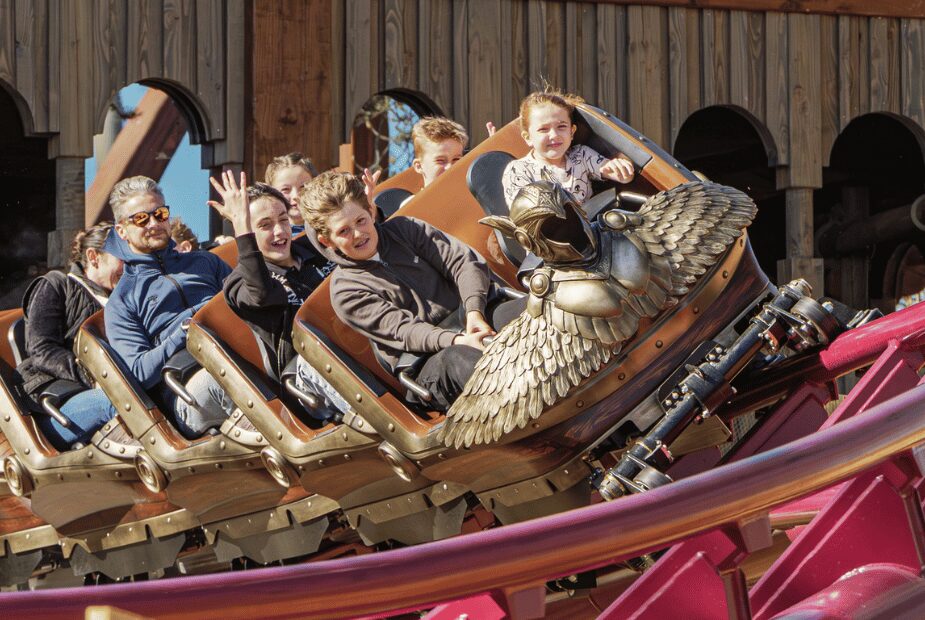
For Valkyrie at Festyland, this included sourcing and installing scenic accessories within an allocated budget, alongside coordination with suppliers contracted directly by the park.
What to Prepare Before Contacting a Design Partner
You do not need a finished brief to start a useful conversation. Gather the information you already have:
This helps prospective partners recommend an appropriate first phase and prepare proposals you can compare.
Discuss Your Attraction Project
Planning a new attraction or refreshing an existing experience?
Morgan Fix Creative works with regional and independent parks in France and internationally, from focused design assignments to turnkey packages with specialist partners.
Tell us about your site, priorities and target opening date so we can discuss the right scope for your project.